
Broken Spring Repair in Naperville, IL
A broken spring means your garage door is stuck and dangerous to force open. Our background-checked technicians replace torsion and extension springs safely, often the same day you call.
- Locally owned since 2012
- Insured, background-checked techs
- Free upfront quotes
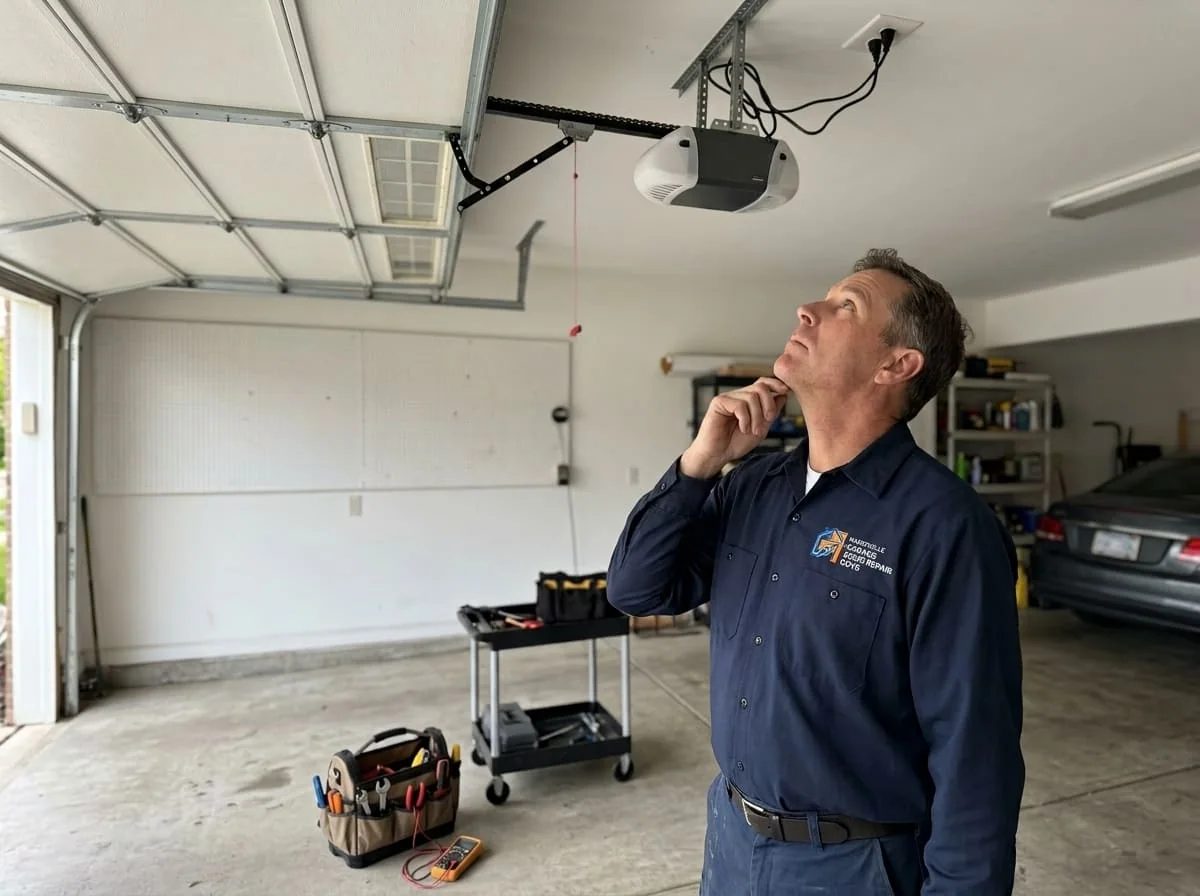
A broken garage door spring is the single most common reason homeowners in Naperville call us. The door either won't budge, drops fast when the opener tries to lift it, or makes a sharp bang from inside the garage that most people mistake for a car backfiring outside. That bang is almost always the sound of a torsion spring letting go under tension, and once it happens the door's opener is no longer doing the heavy lifting the spring was designed for.
Most sectional garage doors built in the last couple decades use one or two torsion springs mounted on a shaft above the door, rated by manufacturers for a set number of open-close cycles per DASMA industry standards. Older or lighter doors sometimes use a pair of extension springs that stretch along the horizontal tracks instead. Both types eventually fatigue and break, but they fail differently and get repaired differently, which is why an accurate diagnosis over the phone or at your door matters before we quote anything.
Naperville's winters add a wrinkle that homeowners in milder climates never deal with. Steel contracts as it gets cold, and a torsion spring that's already near the end of its cycle life is far more likely to snap on a 10-degree January morning than in July. We see a predictable spike in broken-spring calls every winter across Naperville, Plainfield, and the rest of the western suburbs for exactly this reason.
Signs Your Garage Door Spring Has Broken
A fully broken spring is usually obvious, but partial failures and early warning signs get missed until the door fails completely. Watch for these:
- A loud bang from the garage, often mistaken for a car accident or something falling
- The door won't open at all, or the opener strains and reverses without lifting it
- A visible gap in the coils of the torsion spring above the door
- The door feels dramatically heavier than usual when lifted by hand
- The door opens a few inches then stalls, or closes unevenly with one side dropping faster
- Cables near the bottom corners look loose or have slipped off their drums
If you notice any of these, stop using the opener. Running a door on a broken spring puts full strain on the opener's drive gear and can cause the door to fall unexpectedly.
How Torsion and Extension Spring Replacement Works
Torsion spring replacement involves clamping the door in place, releasing the old spring's residual tension with properly sized winding bars, removing the torsion tube and cable drums, and installing a new spring matched to your door's weight, height, and track radius. Getting the wire gauge, coil length, and wind direction right is what keeps a door balanced for years instead of months.
Extension spring replacement is a different process: the stretched springs mounted above the horizontal tracks are unhooked from the pulley system and replaced along with their safety containment cables, which run through the spring's center and keep it from becoming a projectile if it fails again in the future.
When one torsion spring breaks, we typically recommend replacing both springs as a matched pair, since they're installed at the same time and wear at close to the same rate. A single old spring left in place next to a new one usually fails again within months and throws the door out of balance in the meantime.
Why DIY Spring Repair Is Genuinely Dangerous
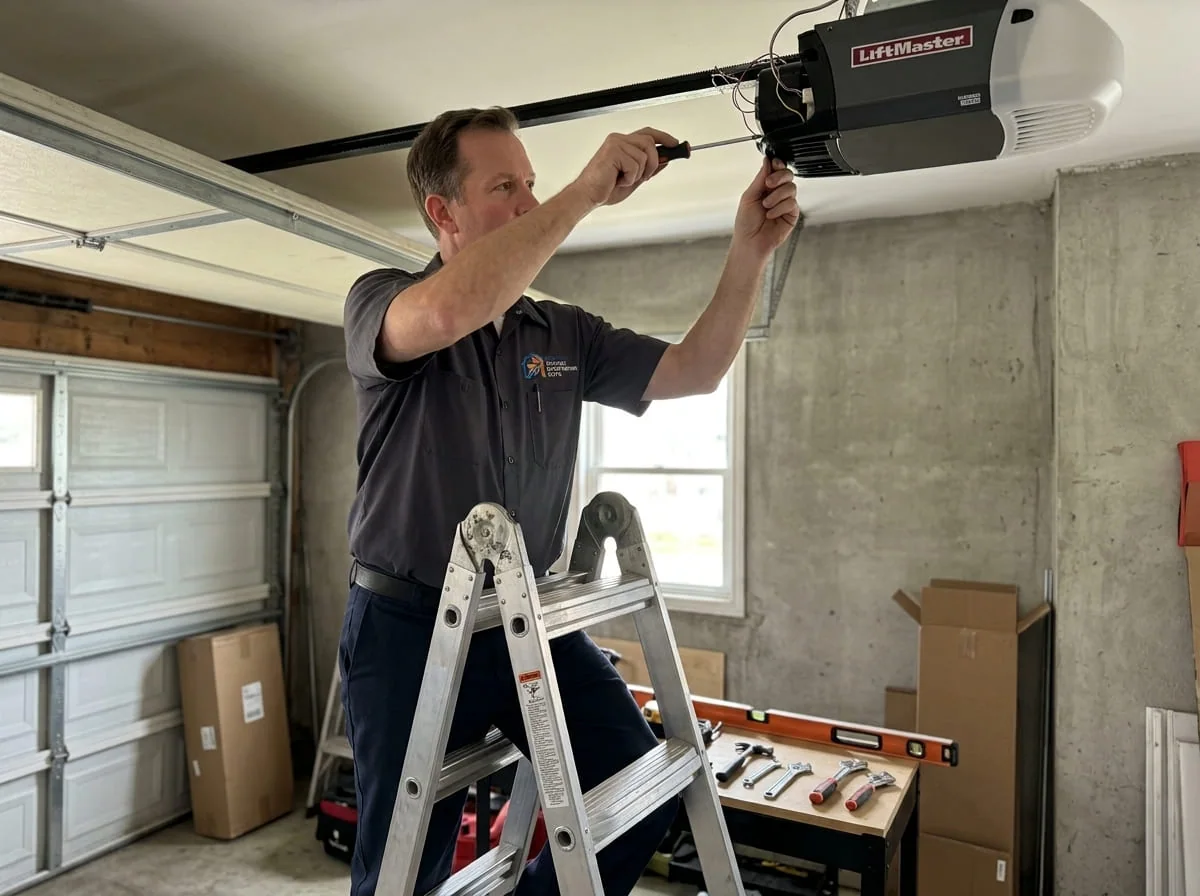
A wound torsion spring stores enough energy to cause serious injury if it's released uncontrolled, and every year emergency rooms see hand, finger, and eye injuries from homeowners attempting this repair with the wrong tools or no winding bars at all. Our owner Pete Voss has been strict about doing spring and cable work by the book since watching a homeowner's DIY torsion spring adjustment end in an ER visit early in his career — he still keeps the bent winding bar from that job as a reminder of what can go wrong.
Extension springs carry the same risk in a different form. Without a safety cable threaded through the spring, a snapped extension spring can whip across the garage with real force, which is exactly why the Consumer Product Safety Commission recommends containment cables on every extension spring system.
This isn't a repair where a mismatched spring or a rushed shortcut just means a squeaky door. It's one of the few jobs in a home where the margin for error is genuinely a trip to the hospital.
How Naperville Winters Shorten Spring Life
Western suburbs weather runs cold and dry for a good stretch of the year, with January highs averaging near 30°F and lows near 16°F. Steel torsion springs contract in cold temperatures, which increases internal stress on a spring that's already fatigued from thousands of open-close cycles. That's why we get more broken-spring calls in December through February than any other stretch of the year.
Freeze-thaw cycles common to the Chicago suburbs also shift concrete garage slabs slightly over time, which can throw tracks and door alignment out of true. A door that's fighting a slightly bound track puts extra strain on the spring every time it operates, accelerating the same fatigue that eventually causes a snap.
Doors left open for long stretches in bad weather age springs faster too, since every additional cycle counts against the spring's rated lifespan regardless of the season.
Why Naperville Homeowners Choose Us for Spring Replacement
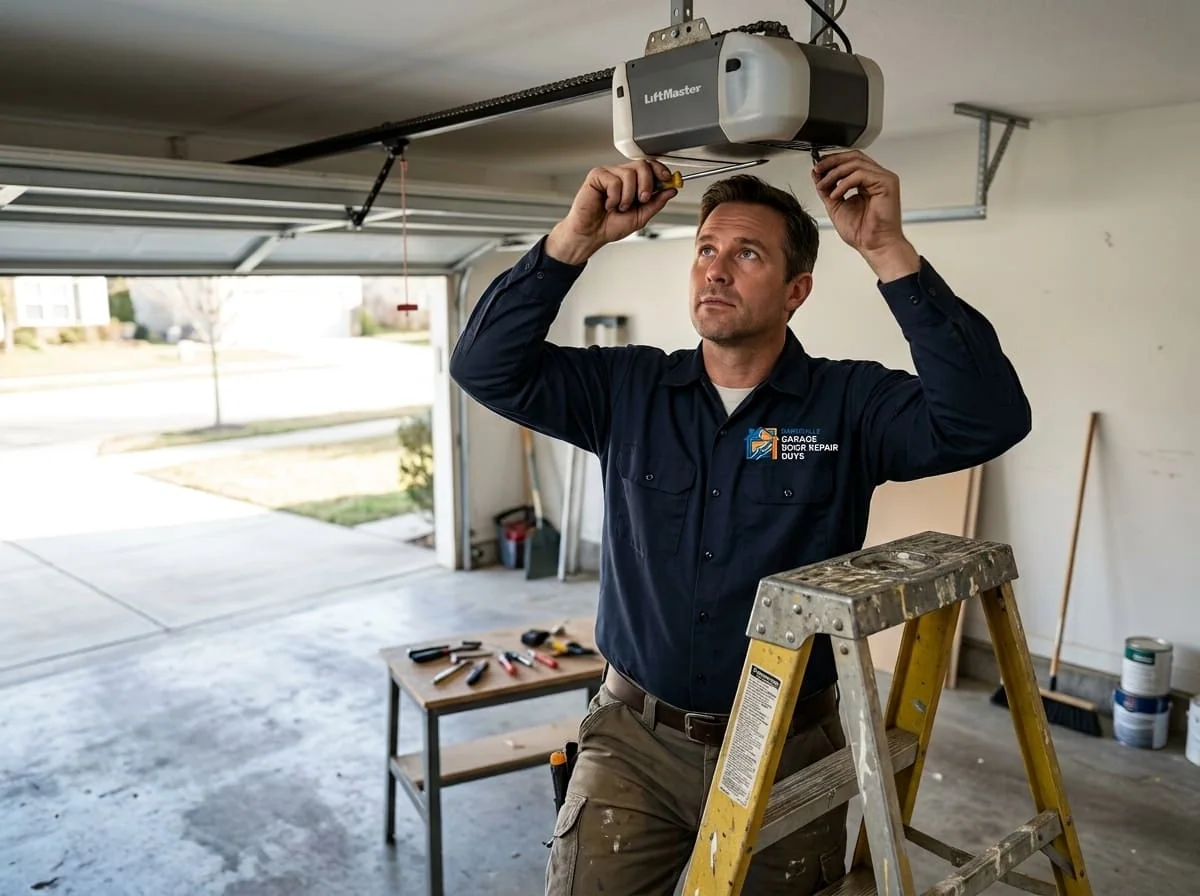
We've been repairing garage doors across Naperville and the surrounding suburbs since 2012, and broken springs make up a large share of the calls we run every winter. Our technicians are insured and background-checked, and we explain what's actually broken before we touch anything, rather than upselling a repair nobody asked for.
We carry a range of torsion and extension spring sizes on our trucks so most jobs get finished in one visit, and we quote the repair upfront before work begins so there are no surprises when the job is done.
What to Expect When You Call
Describe the symptoms by phone
Tell us what you're seeing and hearing and we can often tell you over the phone whether it's a torsion or extension spring issue before we arrive.
On-site inspection and upfront quote
Our technician inspects the spring, cables, and drums in person and gives you a clear, honest price before any work starts.
Spring removal and replacement
We safely release the old spring's tension and install a correctly sized replacement, or a matched pair when appropriate.
Full safety check
We inspect cables, drums, and rollers while we're already in there, since a broken spring often stresses nearby hardware too.
Balance test and walkthrough
We test the door through several full cycles to confirm it's balanced and opening smoothly before we leave.
Broken Spring Repair in Naperville, IL FAQs
How much does it cost to fix a broken garage door spring?
Cost depends on whether you have torsion or extension springs, how many need replacing, and your door's size and weight. We provide a free, upfront quote before any work begins so you know the price before we start.
Can I replace a broken garage door spring myself?
We strongly recommend against it. A wound torsion spring stores enough force to cause serious injury, and the winding bars and technique required aren't something most homeowners have on hand.
How long does spring replacement take?
Most torsion or extension spring replacements are completed in one visit, typically within one to two hours depending on the door and whether we're replacing one spring or a matched pair.
Why did my garage door spring break in cold weather?
Steel torsion springs contract in cold temperatures, which adds stress to a spring that's already worn from repeated use. That's why broken springs are far more common during Naperville's coldest winter months.
If only one spring broke, do I need to replace both?
We typically recommend replacing both torsion springs as a matched pair, since they're installed together and wear at a similar rate. Leaving the older spring in place often means a second failure within months.
How long do garage door springs usually last?
Torsion springs are rated for a set number of open-close cycles under DASMA industry guidelines, generally translating to several years of typical residential use, though frequency of use and winter temperatures affect actual lifespan.
Is a broken spring an emergency?
It's not a life-safety emergency in most cases, but you should stop using the door until it's repaired. We offer priority same-day scheduling where possible for broken-spring calls since a stuck door affects home security and daily access.
Need Broken Spring Repair in Naperville, IL?
Naperville Garage Door Repair Guys is ready to help — call now for a free, upfront quote.